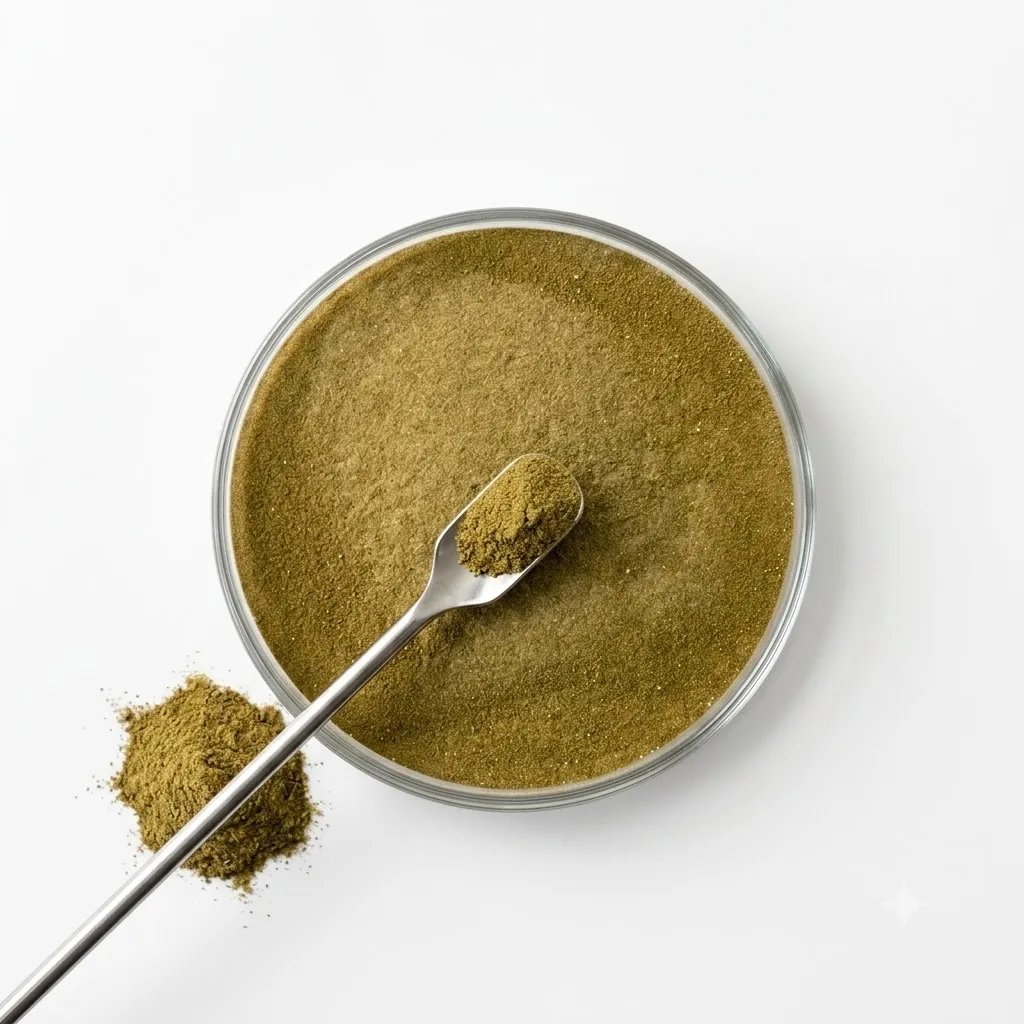
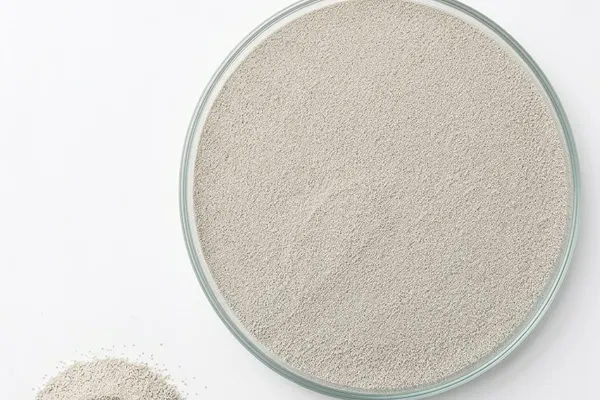
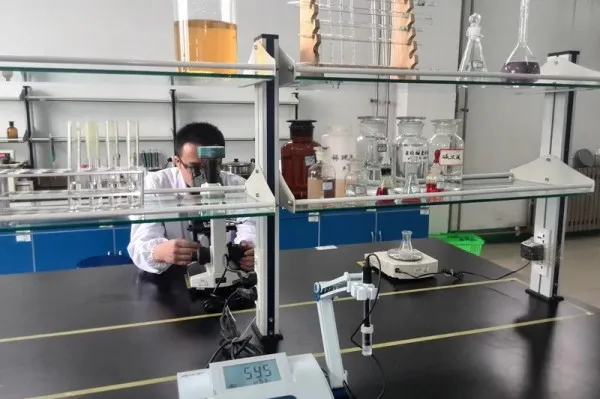
Exogenous feed enzymes have become an indispensable nutritional additive for modern livestock and poultry farming. They effectively degrade anti-nutritional factors, boost nutrient digestibility, cut feed costs and reduce nitrogen and phosphorus emissions. However, improper formula matching, dosage, processing techniques or feeding methods will drastically weaken the efficacy of enzyme preparations. Jinan HEMU has developed a complete optimization system for enzyme application in animal diets, covering formula adaptation, precise dosage addition, thermal protection, processing technology and full-cycle breeding management. This system fully unlocks the value of biocatalysis and serves swine, poultry, ruminant and aquaculture industries.
The core prerequisite for optimization is to deploy targeted compound enzymes tailored to diet formulas and animal species. Different feed raw materials contain distinct anti-nutritional substances: corn-soybean diets are rich in xylan and mannan; distillers’ grains, wheat bran and roughages contain high levels of cellulose and non-starch polysaccharides; phytate in all plant feedstuffs binds mineral phosphorus. For broilers and laying hens, a compound blend of xylanase, cellulase, mannanase and protease is recommended to reduce chyme viscosity and release more protein. Amylase and protease are formulated in swine diets to compensate for insufficient endogenous digestive enzyme secretion in piglets. Fibrolytic complex enzymes are applied to ruminant feeds to improve fiber degradation of roughages. Custom compound enzymes break down plant cell walls to fully release protein, starch and mineral nutrients, overcoming the limitation that single enzymes cannot completely decompose substrates.
Accurate dosage control is vital to balance economic benefits and practical effects. Optimal addition levels depend on enzyme activity, feed ingredient ratios and animal growth stages. Insufficient dosage fails to eliminate hazards from anti-nutrients, while over-addition only raises costs without extra production improvements. Jinan HEMU provides standardized dosage guidelines based on enzyme activity: regular compound enzymes are added at 100–200 grams per ton of complete feed, while highly concentrated enzyme preparations only require approximately 50 grams per ton. Small-scale feeding trials are recommended before large-scale application. Dosage can be adjusted according to feed conversion ratio, daily weight gain and nutrient residues in manure to develop cost-efficient supplementation programs.
Thermal stability and feed processing technology directly determine residual enzyme activity in finished feeds. Direct conventional addition easily leads to enzyme deactivation under pelleting temperatures of 75–90°C. Two optimized solutions are available: adopt heat-resistant enzyme preparations tolerant to conditioning temperatures up to 85°C; or apply post-pelleting liquid spraying, where enzymes are added after high-temperature granulation to retain over 90% of original enzyme activity.
Matching the gastrointestinal environment of animals further improves in-vivo catalytic efficiency. Each enzyme type has its optimal pH range: phytase performs best in the acidic stomach environment at pH 2.5–5.5, while proteases and non-starch polysaccharide enzymes function well in the neutral and alkaline small intestine. Our strain-improved enzymes feature an expanded pH adaptation range and maintain stable activity throughout the animal digestive tract. Moderate adjustment of diet pH can assist enzyme function and significantly raise nutrient absorption rates.
Comprehensive full-cycle breeding management ensures long-lasting enzyme performance. Diets supplemented with enzymes lower nitrogen and phosphorus excretion from animals and mitigate breeding pollution. Farms can moderately increase the proportion of low-cost unconventional raw materials such as wheat bran and distillers’ grains to reduce feed expenses. Jinan HEMU delivers one-stop technical services, including diet formula adjustment, processing parameter optimization and on-site feeding guidance. We help global farming customers maximize breeding profits and achieve green, low-carbon and sustainable animal husbandry.
 English