Heat Stable Phytase: The Reliable Enzyme Solution for High-Temperature Feed Pelleting
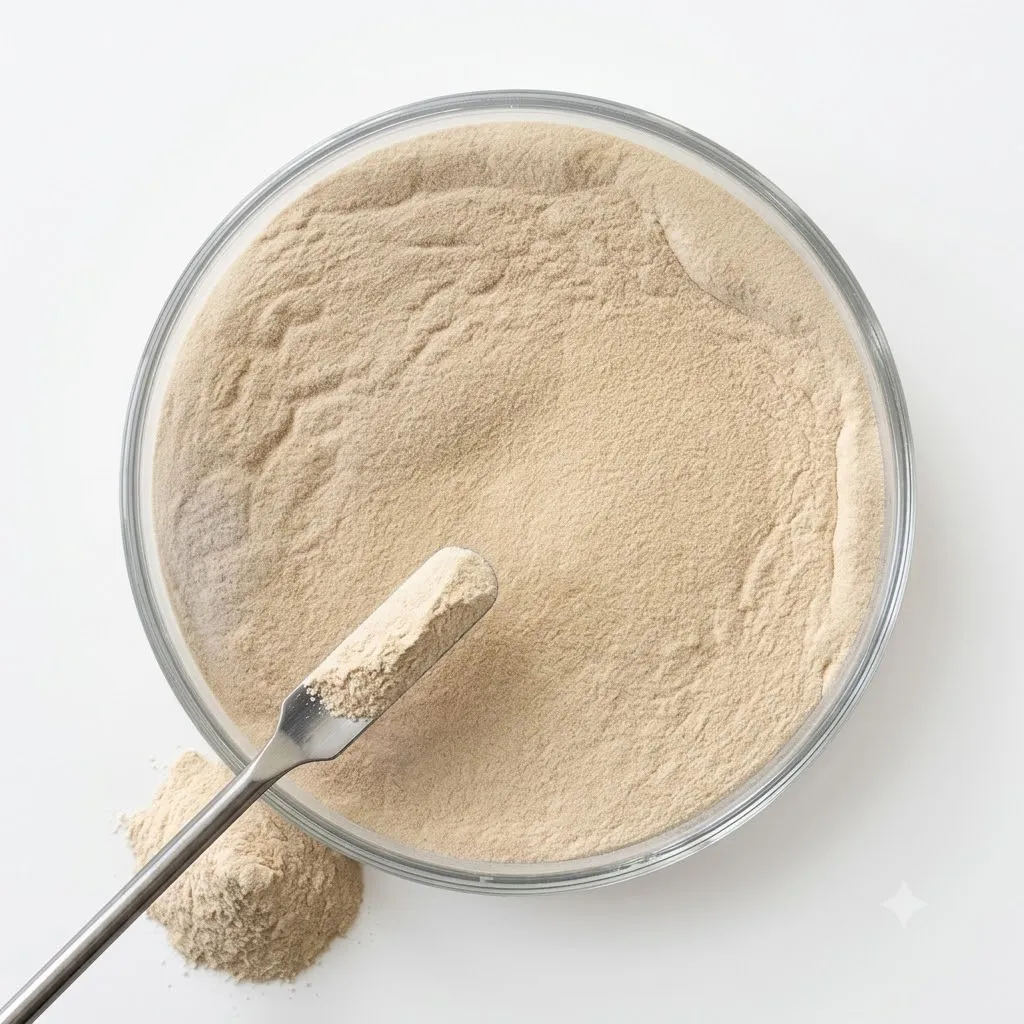
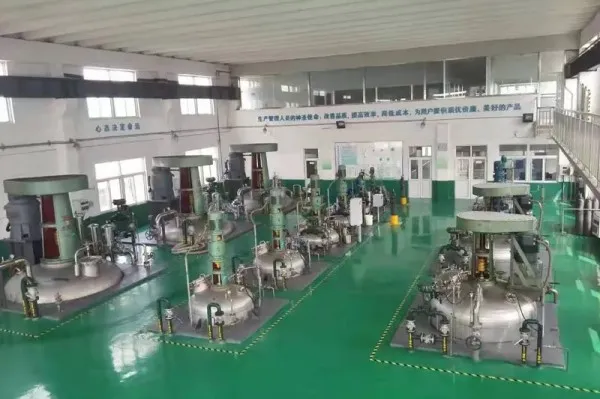
In modern animal feed production, heat stable phytase has become an indispensable additive. Feed mills increasingly use higher conditioning and pelleting temperatures (often 80–95°C) to improve pellet quality, feed hygiene, and production efficiency. Under these harsh conditions, conventional phytases lose a large portion of their activity, leading to inconsistent phosphorus release and reduced animal performance. A high-quality heat stable phytase solves this problem by retaining strong enzymatic activity after pelleting, ensuring reliable nutrient availability and better economic returns.Qingdao Jiuzhou Shouwang Biotechnology Co., Ltd. is a high-tech enterprise focused on the research, production, and application of enzyme preparations. With a fermentation volume of 1,200 CBM and an annual production capacity of 150,000 standard tons (10,000 U/g), the company has built a complete service chain covering enzyme screening, genetic engineering, protein engineering modification, fermentation process optimization, and technical application support. Its strategic sales partner, Jinan Hemu, helps deliver these solutions efficiently to the market.

Why Heat Stability Is Essential in Feed Processing
Phytate is the main storage form of phosphorus in plant-based feed ingredients such as corn, soybean meal, and wheat. Monogastric animals (poultry and swine) cannot efficiently utilize this phytate-bound phosphorus. Adding phytase breaks down phytate and releases available phosphorus. However, the enzyme must survive the heat and moisture of the pelleting process to remain effective in the finished feed.Industry experience shows that many standard phytases suffer significant activity loss above 80°C. This under-dosing forces nutritionists to either increase enzyme inclusion rates or add more expensive inorganic phosphates. A true thermostable phytase is engineered to maintain high recovery rates (typically above 80% at 85°C, and higher with advanced formulations), allowing accurate matrix values and consistent results under real mill conditions.
Advanced Technology Behind Effective Heat Stable Phytase
Modern heat stable phytase products rely on advanced biotechnology. Through protein engineering and targeted molecular modifications, the enzyme’s thermal tolerance is significantly enhanced while preserving high catalytic activity and a suitable pH profile for the animal’s digestive tract. Some versions also use protective granulation or coating techniques to further improve stability during pelleting.Qingdao Jiuzhou Shouwang Biotechnology applies these scientific approaches within an integrated platform. From early enzyme screening and genetic optimization to large-scale fermentation and application testing, the company controls the full development and production process. This full-chain capability ensures product consistency, stable supply, and practical technical support for customers.
Partnering for Consistent Results
When selecting
animal feed enzymes, feed producers should evaluate real pelleting recovery data, reliable phosphorus matrix values, production scale, and after-sales technical service. A manufacturer with strong R&D capability and large fermentation capacity can offer greater reliability and responsiveness.Qingdao Jiuzhou Shouwang Biotechnology, supported by its strategic partner Jinan Hemu, focuses on delivering high-performance enzyme solutions tailored to industrial feed processing needs. By combining advanced enzyme technology with robust production capacity, the company helps customers achieve consistent results under real-world pelleting conditions.Heat stable phytase is no longer a luxury — it is a necessary tool for efficient, cost-effective, and environmentally responsible animal nutrition. Choosing a well-engineered product from a capable and fully integrated supplier allows feed manufacturers to protect enzyme activity, unlock more nutrients from plant ingredients, and improve overall farm performance.
 English