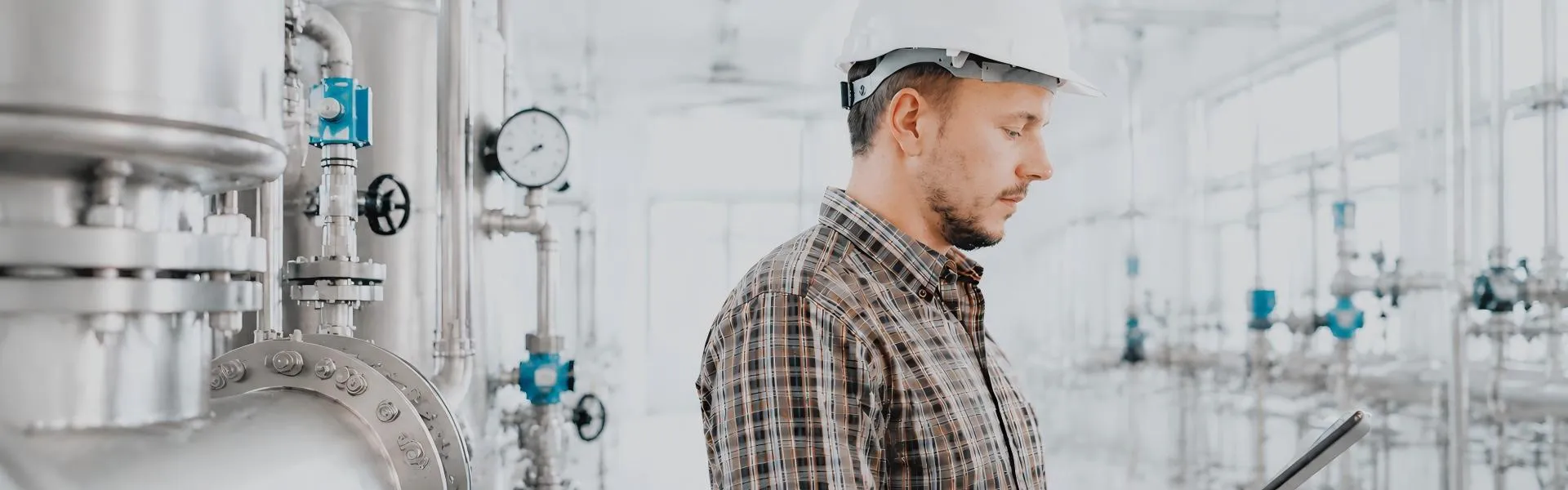
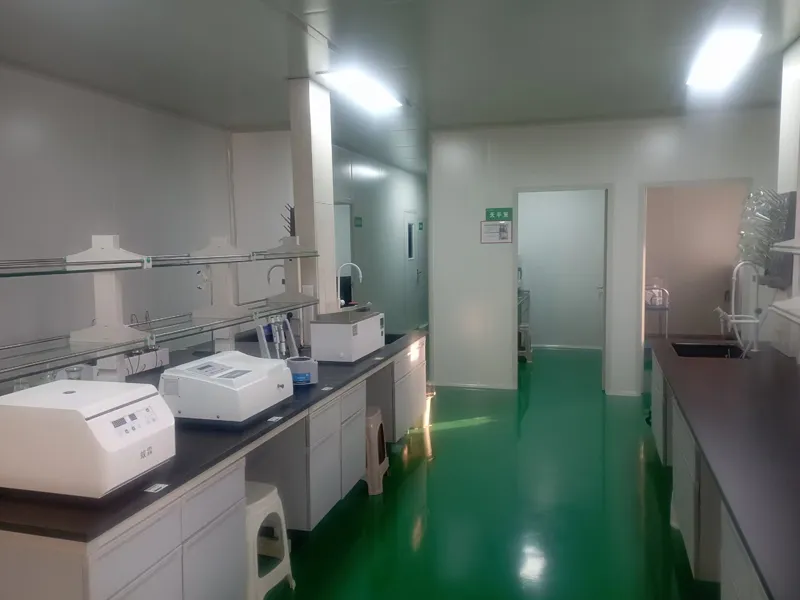
We explore strain resources and conduct metagenomic gene screening from extremophilic microorganisms and animal/plant intestinal microbes to build a diverse natural enzyme library. Combined with AI structural modeling, directed evolution, rational site-directed mutagenesis and CRISPR gene editing, we precisely optimize key enzyme properties including thermostability, acid/alkali resistance, protease degradation resistance and substrate specificity. Via codon optimization, promoter/signal peptide regulation and coordinated multi-gene expression, we modify mainstream chassis cell factories such as Bacillus subtilis, Pichia pastoris and Aspergillus niger to achieve efficient extracellular secretion and high-yield production of target enzymes. We also complete serial passage stability verification and biosafety assessment of engineered strains, laying a fundamental foundation for high enzymatic activity and consistent batch performance of products.
Based on cutting-edge gene editing and synthetic biology technologies, combined with AI-assisted protein structure prediction, rational design and directed evolution, we precisely modify the amino acid sequences of enzymes. It optimizes core properties such as thermostability, acid-base resistance, degradation resistance and catalytic efficiency, breaking the application limitations of natural enzymes. Iterative upgrades of genetic regulation and protein engineering continuously develop novel industrial enzymes with high activity, stability and adaptability, building core technical barriers.
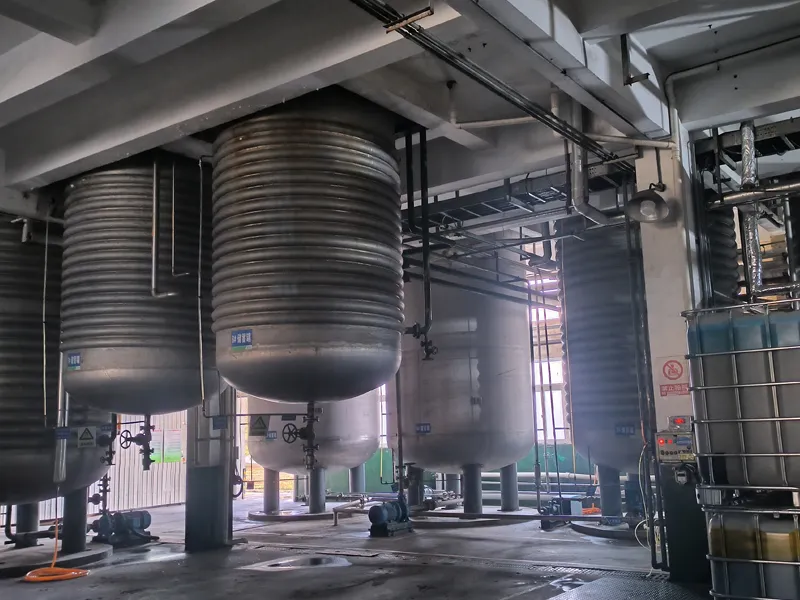
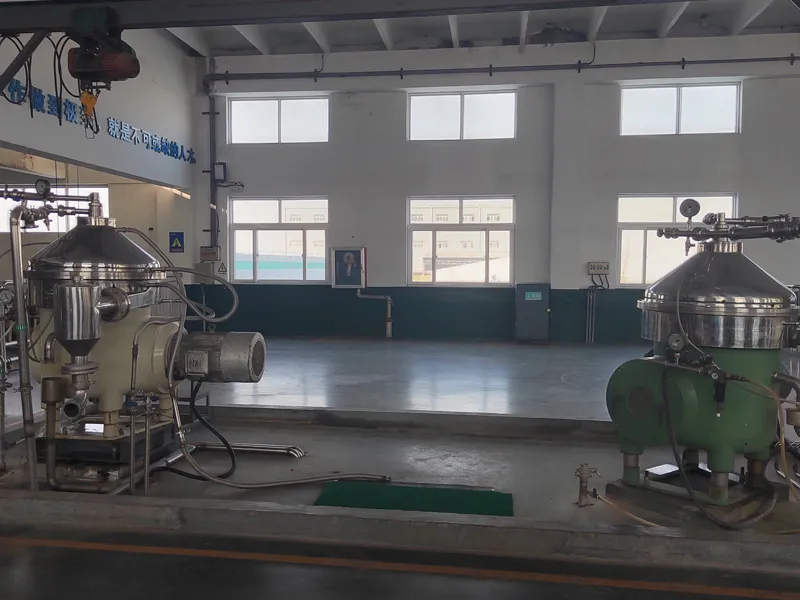
From lab-scale shake-flask process exploration and 50L/500L pilot validation to stable operation of hundred-ton industrial fermenters, we develop multiple process routes including fed-batch high-density submerged fermentation and solid-state fermentation, with precise control over core parameters such as dissolved oxygen, pH, temperature and carbon/nitrogen feeding. Computational Fluid Dynamics fluid simulation is applied to optimize stirring and aeration layouts, mitigating scale-up challenges like shear damage, uneven mass transfer and localized temperature rise. Supported by online biosensor monitoring, tail gas analysis and closed-loop control via data modeling, we deliver real-time early warnings of phage infection and microbial contamination, shorten fermentation cycles and reduce energy consumption, ensuring controllable enzyme activity and minimal batch variation during continuous production.
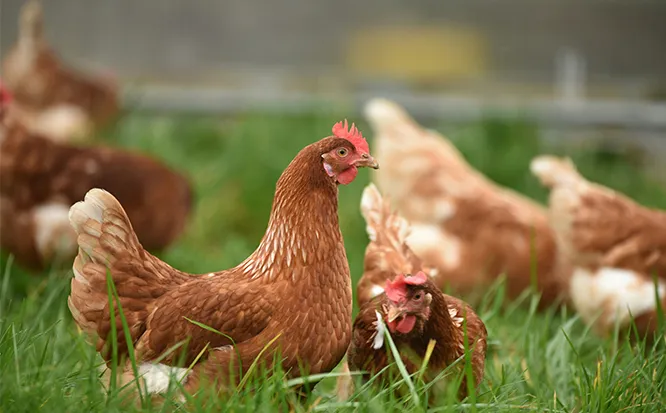
Feed Industry: Improve nutrient utilization efficiency, reduce nitrogen and phosphorus excretion, lift breeding performance and support healthy livestock & aquaculture
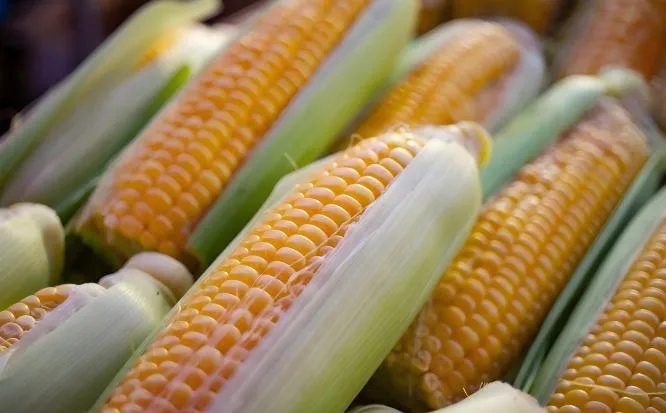
Starch Sugar Industry: Speed up raw material conversion, boost output efficiency, streamline processes and cut energy use & costs.
Fruit Juice & Fruit-Vegetable Processing: Raise juice yield, clarify liquids, refine flavor and taste, shorten processing time.
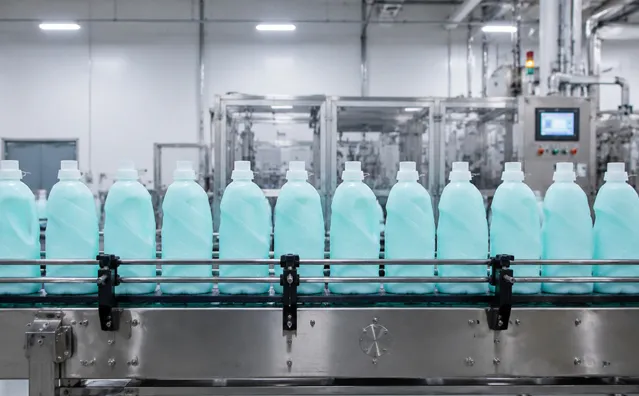
Detergent Industry: Break down organic stains efficiently, perform well at low temps, save water and meet eco-friendly cleaning demands.
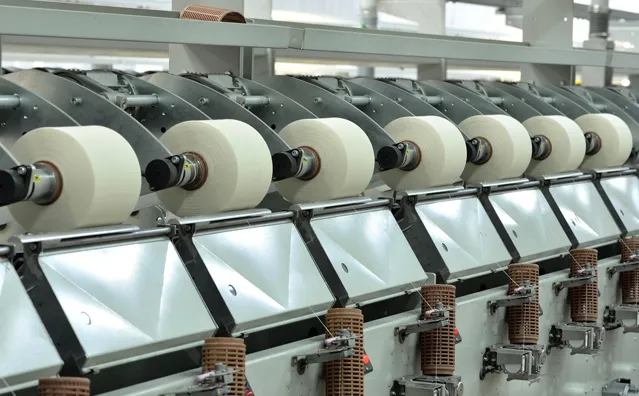
Textile Industry: Upgrade and soften fabrics, reduce chemical additives, lower wastewater pollution for green manufacturing.
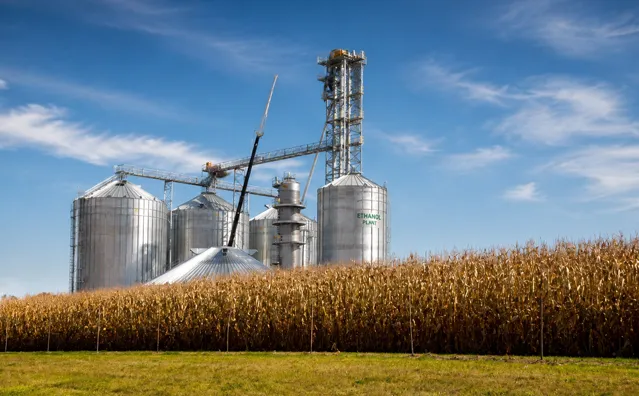
Industrial Alcohol & Brewing Industry: Boost raw material degradation & conversion, raise fermentation yield, shorten cycles and stabilize quality.
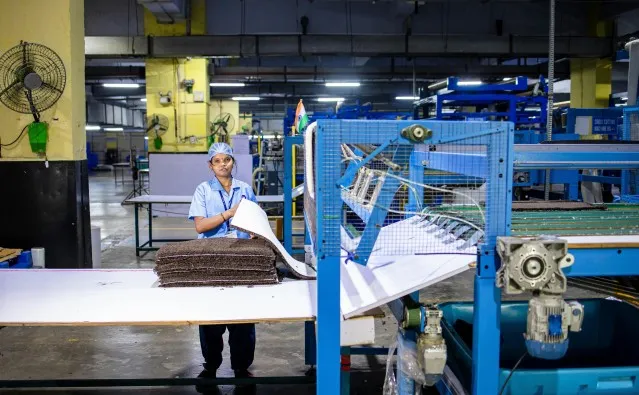
Papermaking Industry: Assist pulp processing & bleaching, cut chemicals, enhance paper properties and enable clean production.
Bioenergy Industry: Degrade agricultural lignocellulosic materials, release fermentable sugars and advance low-carbon biomass utilization
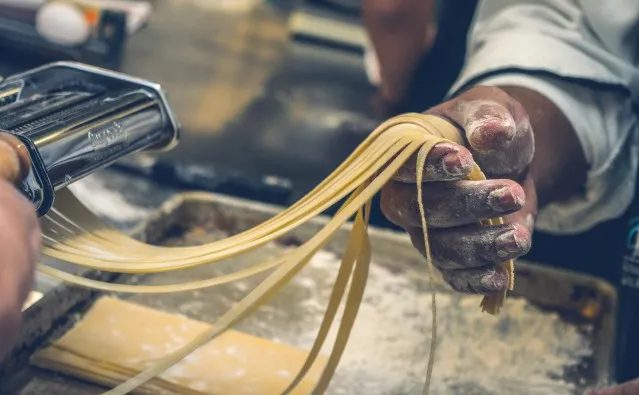
Baking & Pasta Industry: Improve dough workability, refine finished texture and mouthfeel, extend shelf life.
General Food Processing: Precisely control processing, improve texture and flavor, ensure food safety and regulatory compliance.
Email us
Call us
Address
Room 2-1605, Building 4, Dinghao Plaza, No. 44 Gongye South Road, Shunhua Road Street, High-Tech Zone, Jinan City, Shandong Province, China.