
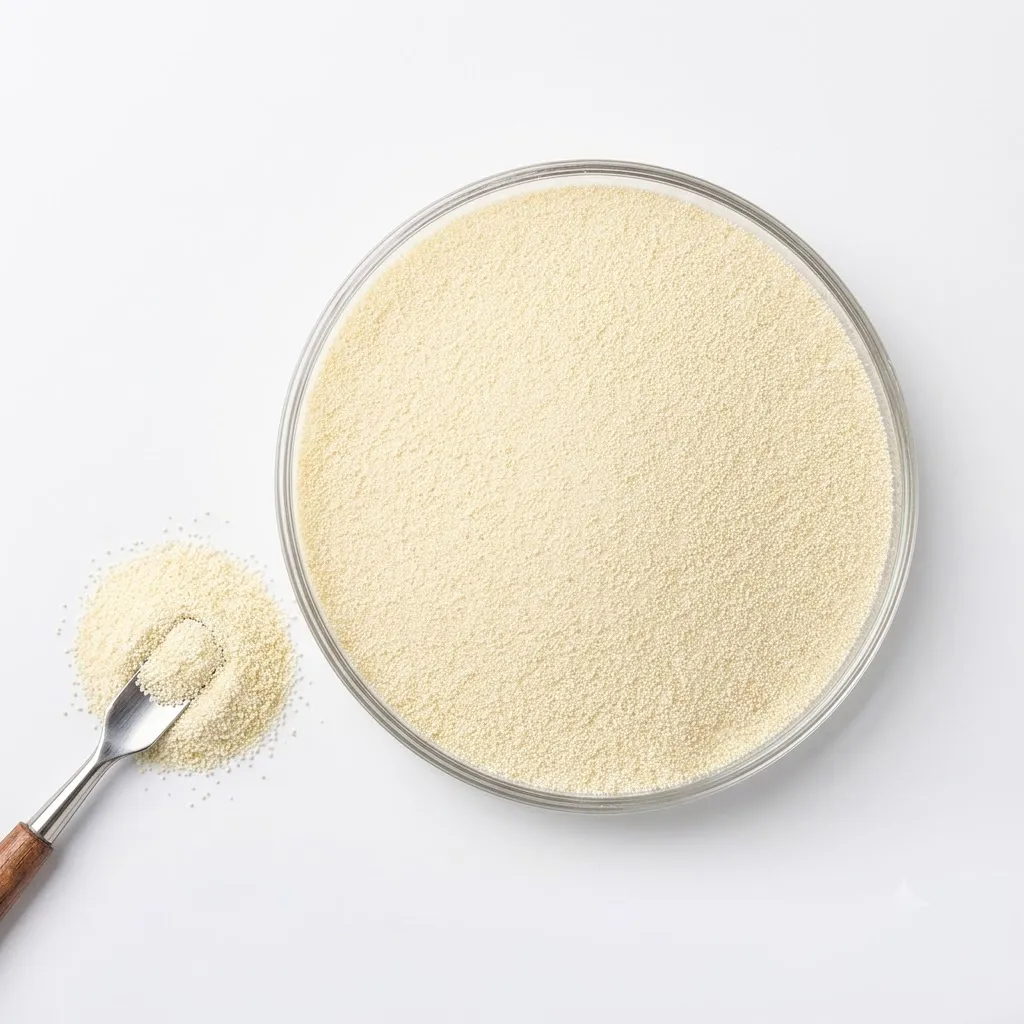
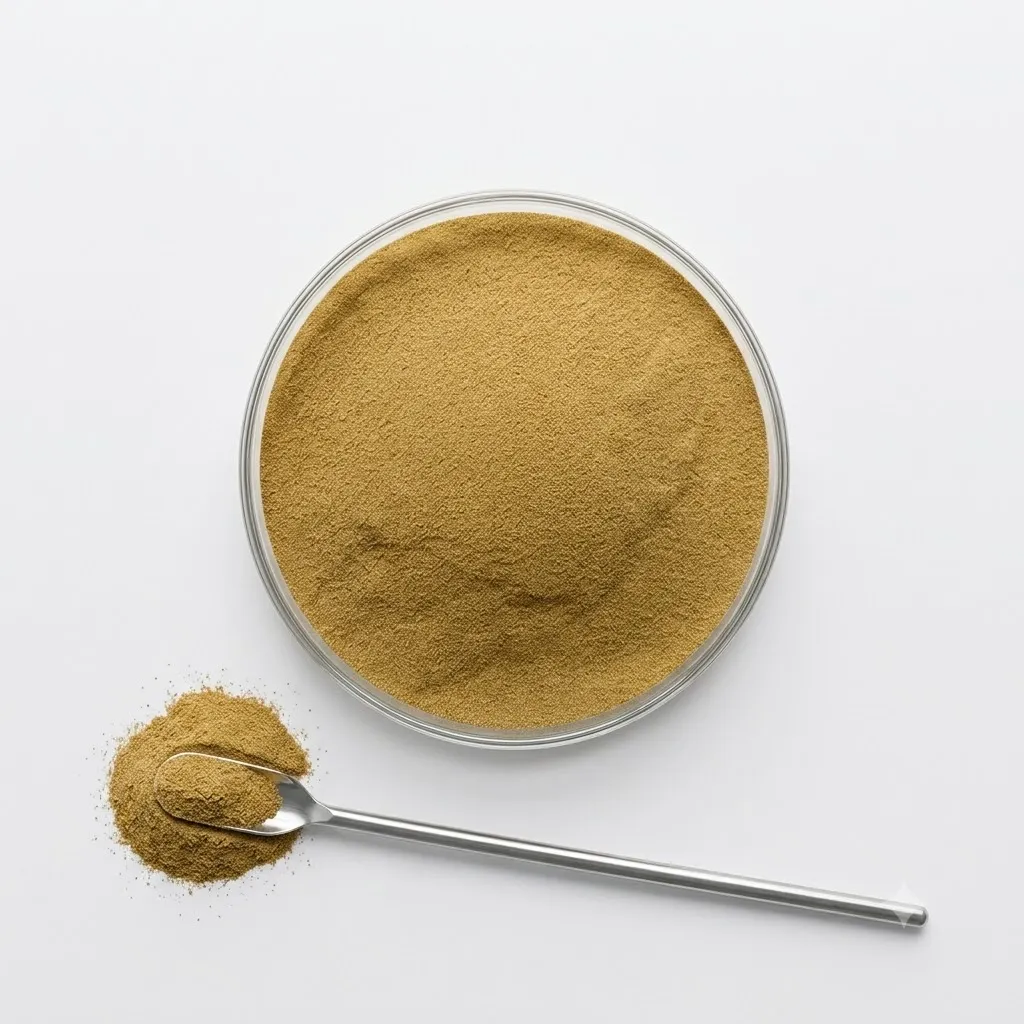
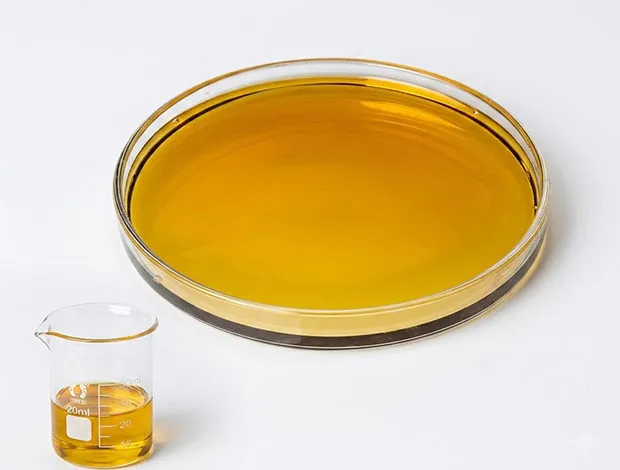





Heat-stable phytase maintains high activity under pelleting high temperature. It degrades phytic acid effectively to release available phosphorus, cuts inorganic phosphorus dosage, reduces phosphorus excretion and improves feed nutrient digestibility
Outstanding Thermal Resistance During Pelleting:The phytase retains most enzyme activity under high-temperature granulation, avoiding massive inactivation and ensuring stable efficacy after feed processing molding.
Release Bound Phosphorus to Reduce Feed Cost:It decomposes phytic acid to liberate usable phosphorus, decreasing the addition of inorganic phosphate raw materials and effectively cutting feed formulation expenses.
Lower Phosphorus Excretion for Eco-friendly Breeding:Improve phosphorus utilization rate of livestock and poultry, cut phosphorus content in manure, alleviate environmental pollution and meet current green breeding requirements.
HEMU heat stable phytase is developed through screened high-temperature resistant strains and precise fermentation technology. It can maintain most enzymatic activity under the high temperature of feed pelleting, which avoids the failure of enzyme efficacy caused by thermal inactivation of conventional phytase. The stable enzyme activity in finished feed ensures long-term and steady catalytic effects inside animal digestive tracts to decompose phytic acid continuously.
This phytase effectively hydrolyzes phytic acid existing in plant raw materials to release free phosphorus, calcium and trace elements bound by phytic acid. Feed factories can greatly reduce the addition amount of inorganic phosphorus additives such as calcium hydrogen phosphate, directly cutting raw material costs. Meanwhile, improved nutrient digestibility promotes animal weight gain and lowers feed-to-meat ratio for higher breeding profits.
With the improvement of phosphorus utilization rate in feed, undigested phosphorus excreted via livestock and poultry manure is greatly decreased. Less phosphorus flowing into soil and water bodies effectively restrains eutrophication of water environment. It helps breeding enterprises meet environmental protection emission standards and realize sustainable low-carbon breeding production mode.
Email us
Call us
Address
Room 2-1605, Building 4, Dinghao Plaza, No. 44 Gongye South Road, Shunhua Road Street, High-Tech Zone, Jinan City, Shandong Province, China.